
Common Misconceptions About Long Distance Triathlons Debunked

Misconception: Long Distance Triathlons Are Only for Elite Athletes
One of the most common misconceptions about long distance triathlons is that they are reserved for elite athletes. While it's true that top-tier competitors participate, these events are open to anyone willing to put in the training. Many amateurs and first-timers participate every year, proving that with dedication and preparation, anyone can tackle a long distance triathlon.

Misconception: You Need to Train 7 Days a Week
Another myth is that you must train every single day to complete a long distance triathlon. While consistency is key, it's important to balance training with rest. Most training plans incorporate rest days to prevent burnout and injury, helping athletes maintain peak performance. Quality often trumps quantity in training routines.
Misconception: You Must Spend a Fortune on Gear
High-end gear is often associated with triathlons, but it’s not a requirement for participation. Beginners can start with basic equipment and upgrade over time as they become more committed. Prioritizing comfort and fit is more important than having the most expensive bike or wetsuit.
What You Really Need
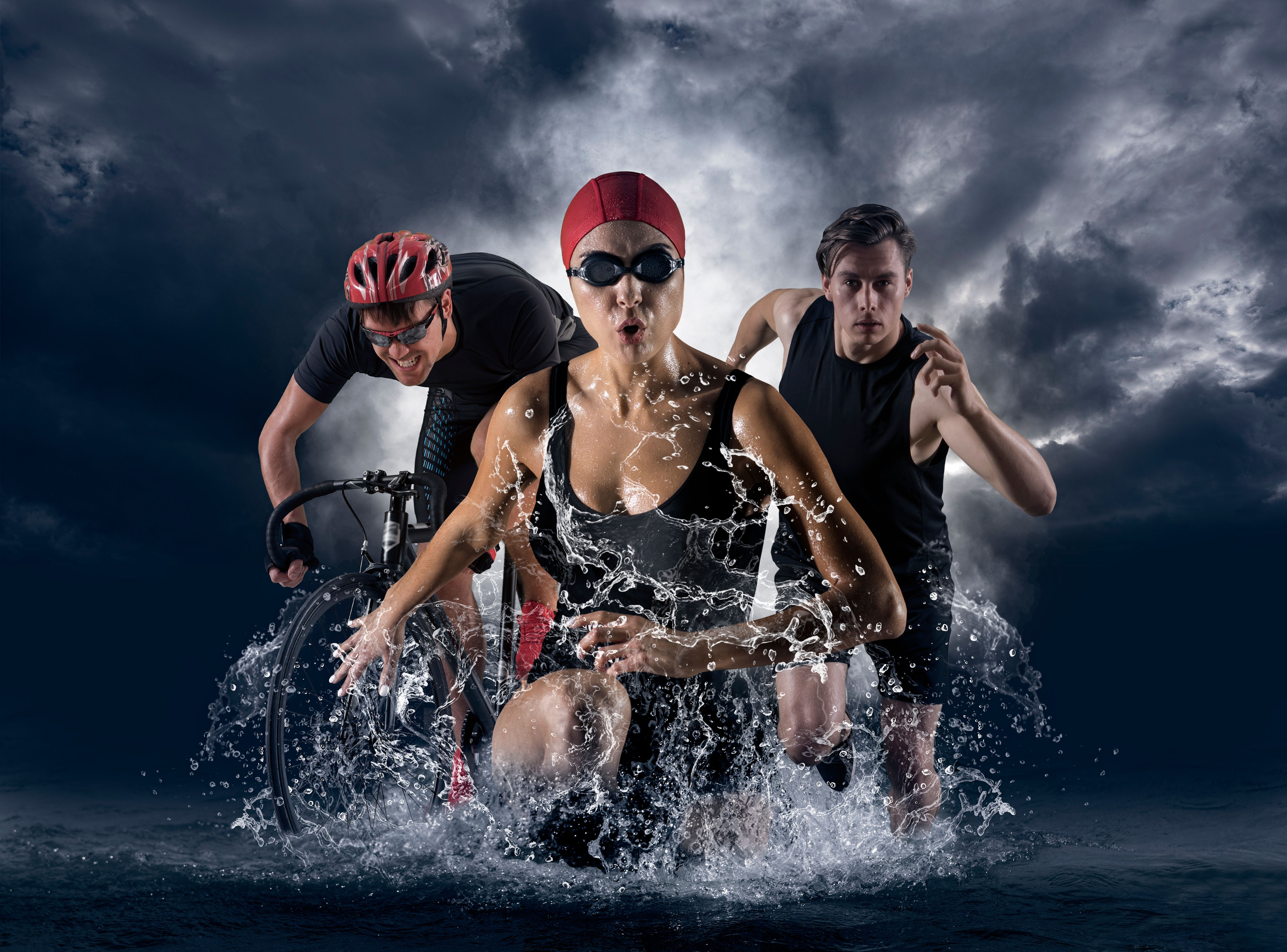
Essential gear includes a reliable bike, a comfortable wetsuit, and quality running shoes. As you progress, you can look into additional accessories, but starting with the basics is perfectly acceptable.
Misconception: Nutrition Is Overly Complicated
Nutrition can seem daunting, but it doesn’t have to be complicated. Understanding your body's needs and experimenting with different foods during training can help you find what works best. Many athletes rely on simple nutrition strategies involving balanced meals and hydration.

Basic Nutrition Tips
- Stay hydrated with water and electrolytes.
- Consume carbohydrates for energy.
- Incorporate protein for muscle recovery.
Misconception: You Have to Be Young to Compete
Age is just a number when it comes to long distance triathlons. Many athletes in their 40s, 50s, and beyond successfully compete and even excel in these events. With the right mindset and preparation, age does not have to be a barrier to participation.
Embracing Experience
Older athletes often bring experience and mental toughness, which can be advantageous in endurance sports. The focus should be on training smart and listening to one's body rather than on age.

Conclusion: Breaking Down Barriers
Understanding and debunking these misconceptions can open the door for more people to explore the world of long distance triathlons. Whether you're a beginner or an experienced athlete, the key is to approach training with an open mind and a willingness to learn. Embrace the journey, and you'll find that the challenge is within your reach.