
Mastering the Art of Long-Distance Triathlons: Insights from a World Championship Competitor

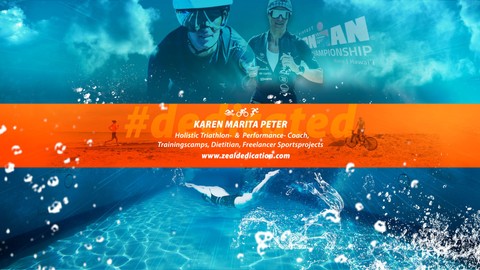
Participating in a long-distance triathlon is a monumental achievement that requires not only physical strength but also mental resilience. For those who aspire to compete at the highest levels, insights from world championship competitors can be invaluable. These athletes have honed their skills and strategies to excel in this grueling sport.
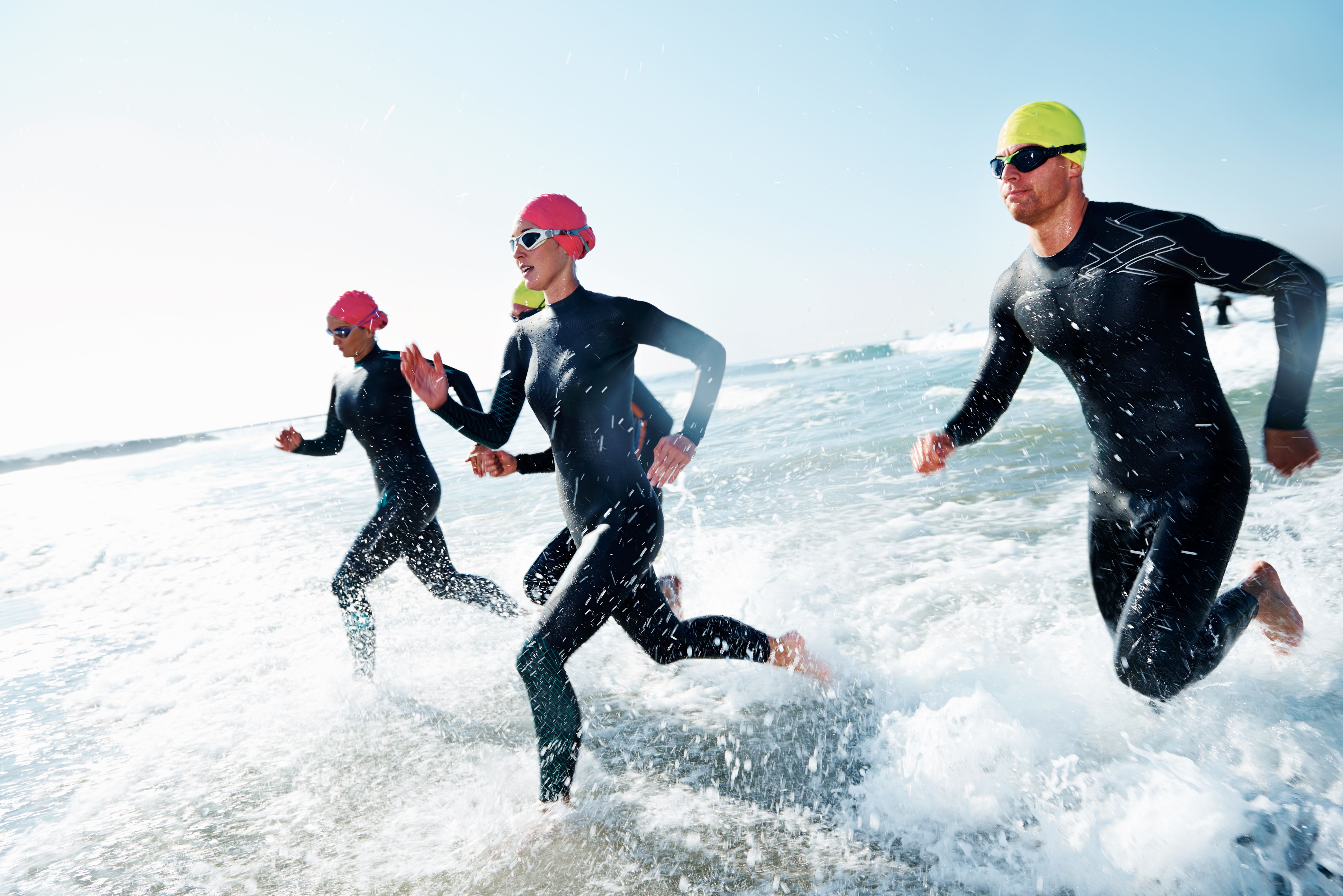
Understanding the Physical Demands
Long-distance triathlons typically consist of a 2.4-mile swim, a 112-mile bike ride, and a 26.2-mile run. Training for these distances requires a balanced approach, focusing on endurance, strength, and flexibility. Competitors often emphasize the importance of a structured training plan that gradually increases intensity and distance over time.
Additionally, nutrition plays a critical role in performance. Consuming a balanced diet rich in carbohydrates, proteins, and healthy fats can fuel long training sessions and aid recovery. Hydration is equally crucial, with athletes needing to maintain optimal fluid levels before, during, and after training.
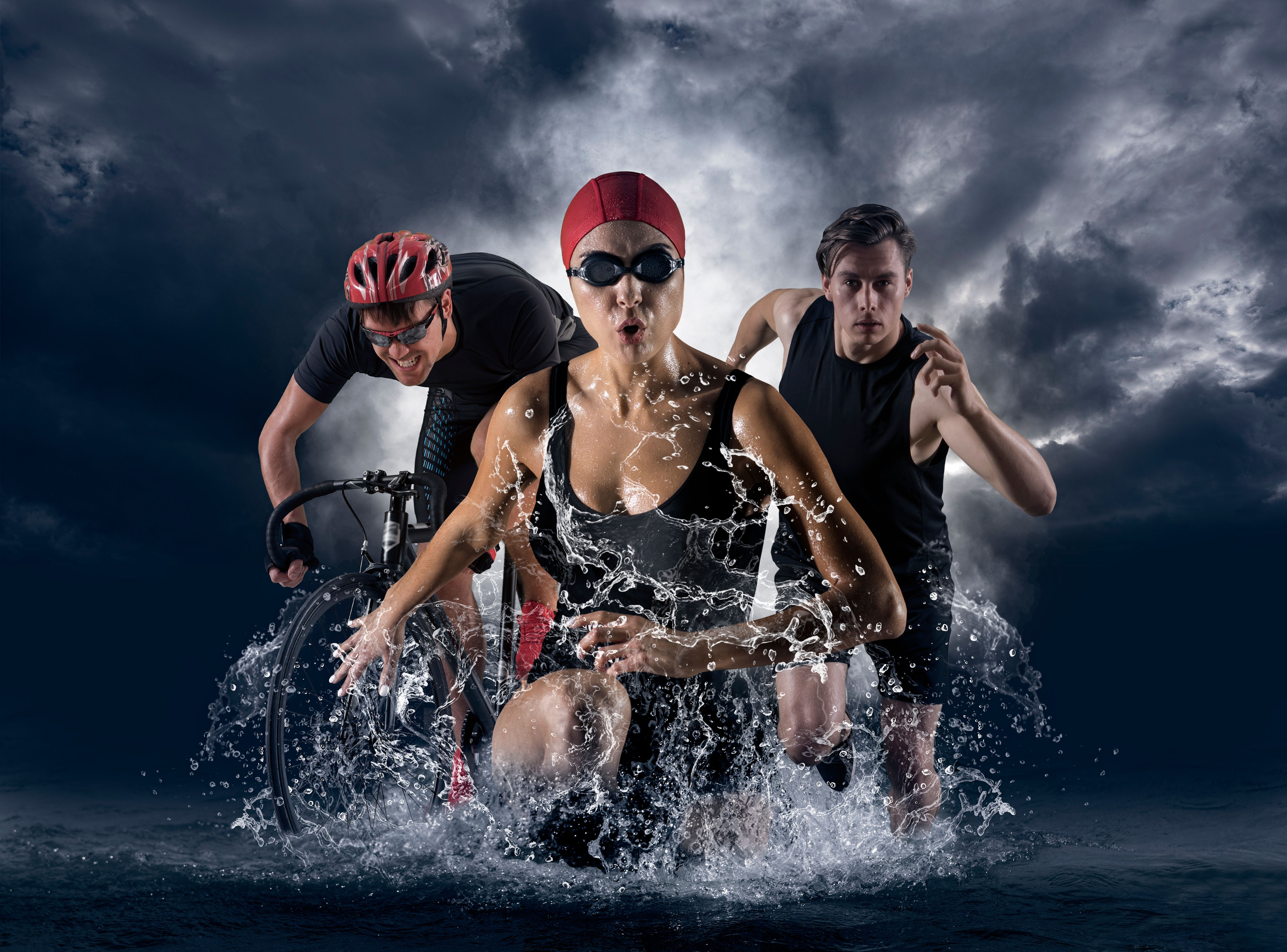
Mental Preparation and Strategy
While physical preparedness is essential, mental toughness is what truly sets world-class triathletes apart. Competitors often engage in mental conditioning exercises, such as visualization and mindfulness, to build the focus required for race day. The ability to stay calm and composed under pressure can make a significant difference in performance.
Race day strategy is another critical component. Understanding the course layout, weather conditions, and transition areas can help athletes plan their race more effectively. Competitors often emphasize the importance of pacing, knowing when to conserve energy and when to push harder.

Lessons Learned from Experience
Many world championship competitors highlight the value of learning from past races. Reflecting on previous performances can offer insights into areas of improvement and help fine-tune strategies. Embracing setbacks as learning opportunities rather than failures is a common mindset among successful athletes.
Additionally, surrounding oneself with a supportive community, including coaches, fellow triathletes, and family, can provide motivation and encouragement throughout the training journey. This network can be instrumental in overcoming challenges and celebrating achievements.
Embracing Recovery and Rest
Recovery is a fundamental aspect of training that is often overlooked. World-class triathletes recognize the importance of rest days and active recovery sessions to prevent burnout and injuries. Techniques such as massage, yoga, and stretching are commonly used to aid recovery and maintain flexibility.
Listening to one's body is crucial. Pushing through pain can lead to long-term injuries, so it's essential to balance ambition with self-care. This approach ensures athletes can continue to train and compete at high levels over the long term.
In summary, mastering the art of long-distance triathlons involves a harmonious blend of physical training, mental preparation, strategic planning, and recovery. By learning from the experiences of world championship competitors, aspiring triathletes can enhance their performance and achieve their goals. Whether you're a seasoned athlete or new to the sport, these insights can guide your journey to success.