
Mastering the Art of Triathlon: Insights from a World Championship Competitor

Introduction to Triathlon Mastery
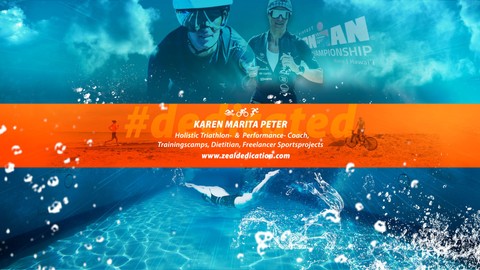
Embarking on the journey to become a triathlon champion is no small feat. It requires dedication, perseverance, and a strategic approach to training and competition. Insights from world championship competitors reveal that mastering triathlon is both an art and a science.
Building a Strong Foundation
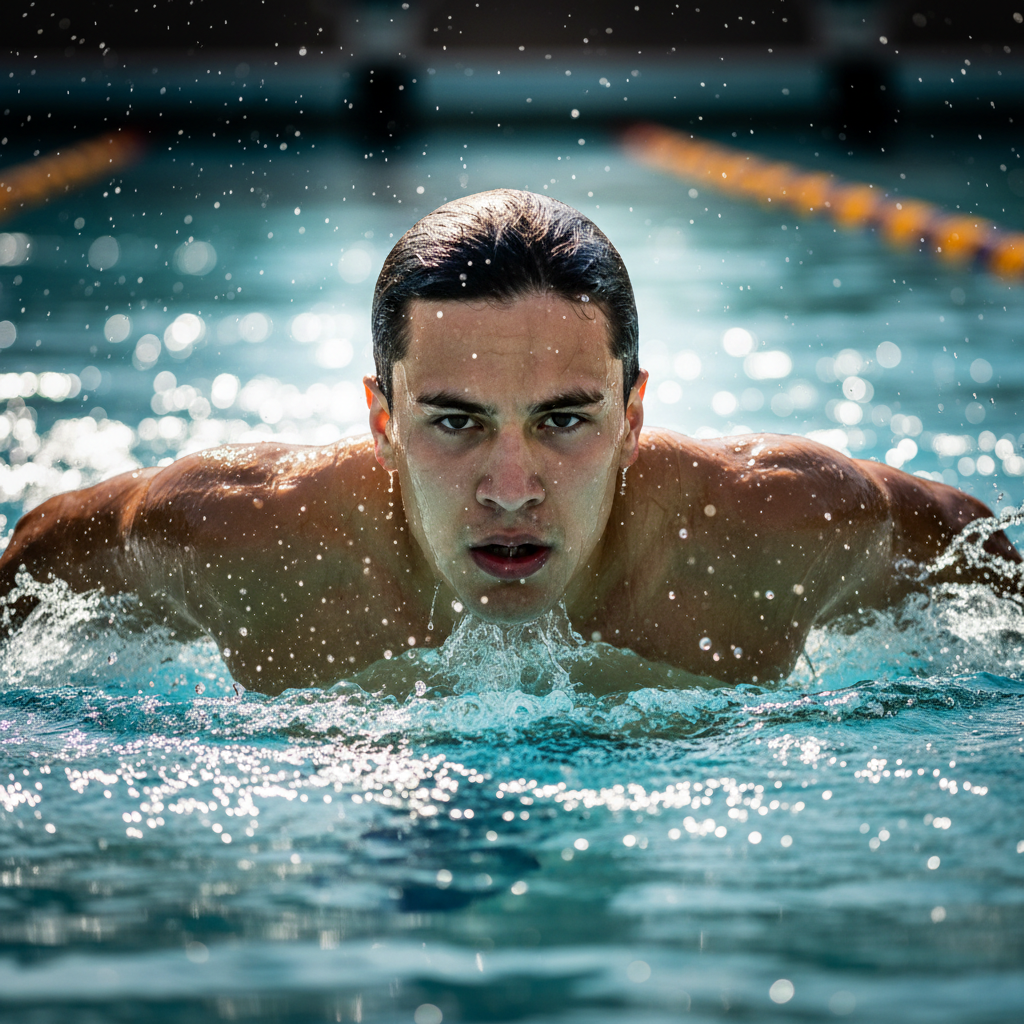
A successful triathlete starts with a solid foundation. This includes understanding the importance of consistency in training. A well-rounded regimen that balances swimming, cycling, and running is crucial. Each discipline requires specific skills, and honing these can set the stage for success.
Creating a Balanced Training Schedule
Developing a balanced training schedule is essential. This involves allocating time effectively across all three sports. A recommended approach is to focus on one discipline each day while incorporating cross-training sessions to build overall endurance and strength.
The Mental Game
While physical preparation is key, the mental aspect of triathlon cannot be overlooked. Mental resilience plays a pivotal role during competitions. Techniques such as visualization, goal setting, and positive self-talk can enhance mental toughness and performance.
Visualization Techniques
Visualization involves mentally rehearsing each segment of the race. By picturing success and overcoming challenges, athletes can improve focus and reduce anxiety. This practice allows competitors to anticipate potential obstacles and devise strategies to handle them effectively.

Nutrition and Recovery
Nutrition is a critical component of a triathlete's regimen. Fueling the body with the right nutrients before, during, and after training can significantly impact performance and recovery. A balanced diet rich in carbohydrates, proteins, and fats is recommended.
Importance of Recovery
Recovery is as important as training itself. Incorporating rest days and using recovery techniques like stretching, massage, and adequate sleep can prevent injuries and enhance performance. Listening to the body and allowing it to recover is essential for long-term success.

Race Day Strategy
A well-thought-out race day strategy can make all the difference. This includes planning transitions, pacing, and hydration. Understanding the course and weather conditions can help in making informed decisions during the race.
Executing Transitions
Transitions are often referred to as the fourth discipline of triathlon. Efficient transitions save time and energy. Practicing quick changes from swim to bike and bike to run can give competitors an edge over others.
Conclusion
Mastering the art of triathlon requires a blend of physical preparation, mental fortitude, and strategic planning. By learning from world championship competitors, aspiring triathletes can gain valuable insights into what it takes to succeed in this demanding sport. With dedication and the right approach, reaching the pinnacle of triathlon competition is within reach.