
Seasonal Sports Event Planning: Tips for Success Across Different Climates


Organizing a sports event can be both exhilarating and challenging, especially when planning for different seasons and climates. Whether you're setting up a summer soccer tournament or a winter skiing competition, understanding how to adapt your plans to the weather is crucial for success. Here are some tips to ensure your event is a hit, regardless of the season.
Understanding the Climate
The first step in planning a seasonal sports event is understanding the local climate. Research average temperatures, precipitation, and other weather patterns during the time of your event. This information will help you anticipate potential challenges and prepare accordingly. For example, summer events may require shade and hydration stations, while winter events might need indoor warming areas.

Summer Sports Events
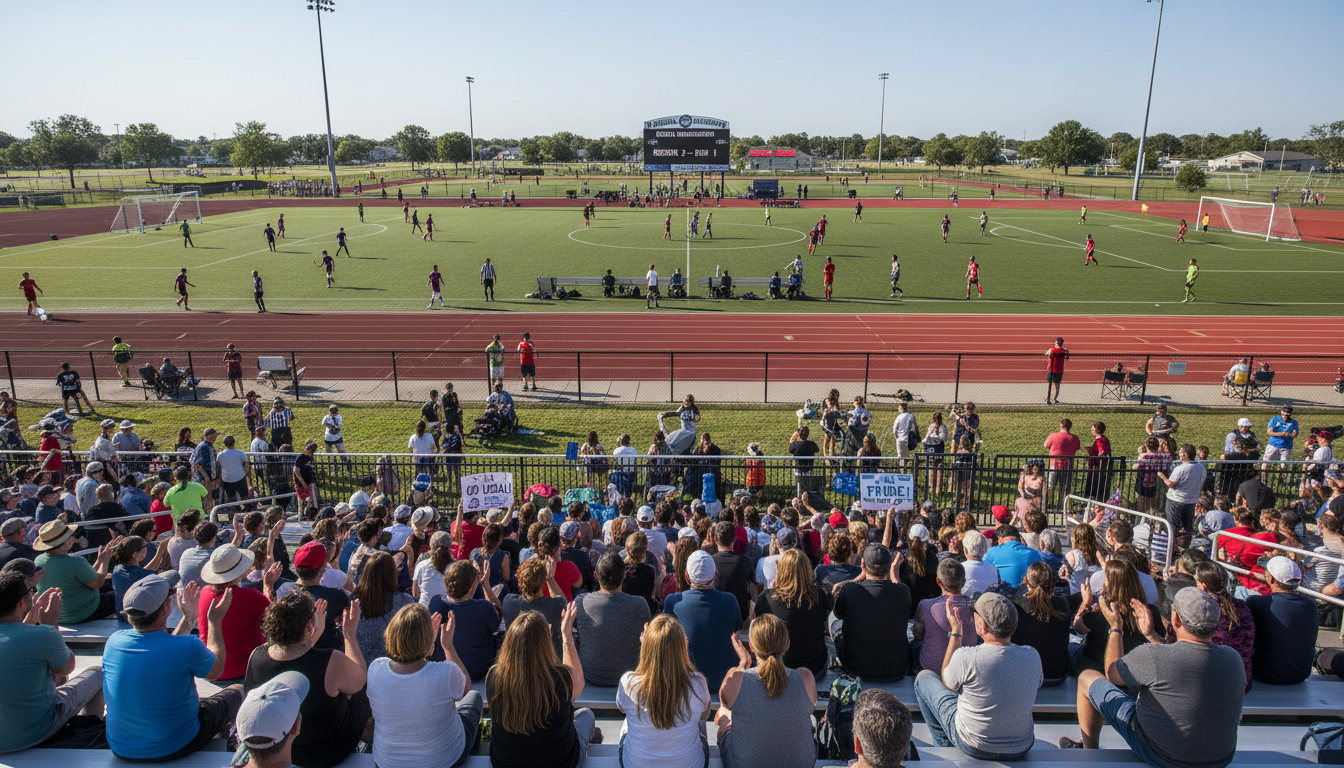
Summer offers a variety of opportunities for outdoor sports events. However, the heat can be a major concern. To combat this, ensure that there are plenty of water stations and shaded areas for participants and spectators. You might also consider scheduling games during cooler parts of the day, such as early morning or late afternoon.
Another important aspect is communication. Keep your participants informed about the weather forecast and any heat advisories. Encourage them to wear appropriate clothing and sunscreen to protect against the sun.
Winter Sports Events
Winter sports events come with their own set of challenges. Cold temperatures, snow, and ice can affect both safety and enjoyment. To ensure a successful event, make sure all pathways are clear of ice and snow, and provide indoor facilities for warming up.
Ensuring Safety
Safety should always be a top priority. For winter events, have a contingency plan in case of severe weather. This might include rescheduling or relocating the event to an indoor venue. Additionally, provide participants with guidelines on how to dress warmly and safely for outdoor activities.
Adapting to Changing Conditions
Weather can be unpredictable, so it's essential to have a flexible plan. Monitor weather forecasts leading up to the event and be prepared to make last-minute adjustments. This might involve altering the schedule or modifying the event layout to better suit the conditions.
Communication and Contingency
Effective communication is key to managing changes smoothly. Keep all stakeholders, including participants, staff, and vendors, updated about any changes or contingency plans. Use email, social media, and event apps to disseminate information quickly and efficiently.

Conclusion
Successful seasonal sports event planning requires careful consideration of the climate and an adaptable approach. By understanding the weather, ensuring safety, and maintaining clear communication, you can create an enjoyable and memorable experience for all involved. With these tips, you're well on your way to hosting a successful sports event, no matter the season.