
Seasonal Triathlon Preparation: Training Tips for Different Climates

Understanding Seasonal Training
Training for a triathlon requires dedication, strategy, and an awareness of how different climates can impact your preparation. Whether you're facing scorching summers or chilly winters, adapting your routine to match the season is crucial for optimal performance.
Adapting to Hot Climates
When training in hot weather, it's essential to focus on hydration and acclimatization. Begin by gradually increasing your exposure to the heat, allowing your body to adjust over time. Incorporate early morning or late evening workouts to avoid peak temperatures.
Hydration is key. Ensure you’re drinking plenty of water throughout the day and consider sports drinks to replenish lost electrolytes. Wear lightweight, breathable clothing to help regulate your body temperature.
Training in Cold Conditions
Cold climates require a different approach. Layering your clothing is crucial to maintain warmth without overheating. Start with moisture-wicking base layers, add insulation, and finish with a windproof outer layer. Remember, your extremities are most vulnerable, so invest in quality gloves and socks.

Cold weather can also impact your motivation. To counteract this, set clear goals and consider joining a local training group for accountability. Incorporating indoor workouts can also be a beneficial alternative when the weather is particularly harsh.
Managing Rainy Seasons
Rainy climates present unique challenges. Safety should be a priority, so choose routes that are less prone to flooding and ensure your gear is waterproof. Visibility can be reduced during rain, so wear bright, reflective clothing.
Embrace the rain as an opportunity to build mental toughness. Training in wet conditions can prepare you for unexpected weather on race day, boosting your confidence and resilience.
Dealing with Humidity
High humidity levels can make training feel more strenuous. Focus on adjusting your pacing and listen to your body. Incorporate rest days as needed to prevent burnout. Hydration remains critical, so keep drinking fluids even if you don’t feel thirsty.
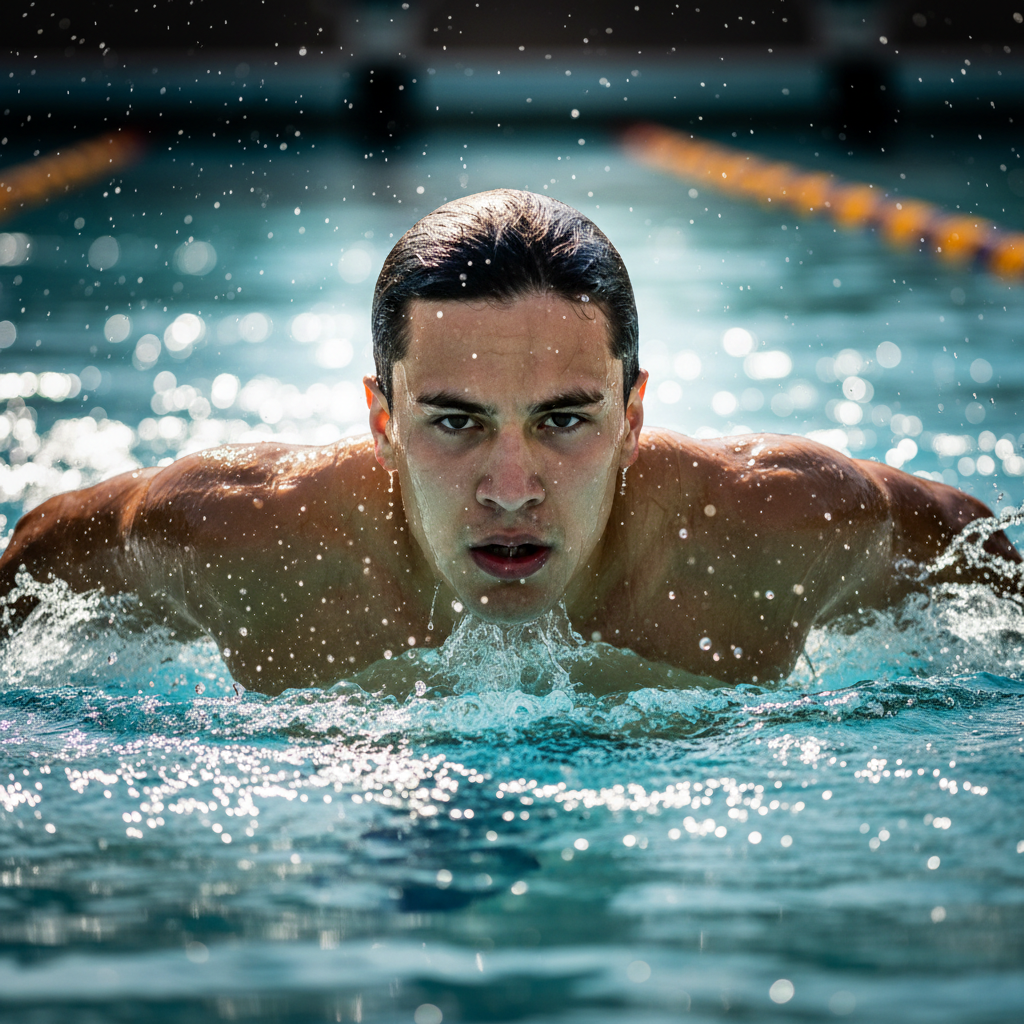
Consider cross-training activities like swimming, which can be more comfortable in humid conditions and still provide excellent cardiovascular benefits.
Nutrition and Recovery
Regardless of the climate, nutrition and recovery are vital components of any training plan. Tailor your diet to include seasonal fruits and vegetables, ensuring your body receives the necessary nutrients. Post-workout recovery should include stretching, adequate sleep, and perhaps even massage therapy to enhance muscle repair.

Conclusion
Successfully preparing for a triathlon across different climates requires flexibility and careful planning. By understanding and adapting to the unique challenges each season presents, you can enhance your performance and enjoy the journey toward race day. Remember, consistency and adaptability are your greatest allies.