The Impact of Climate on Long Distance Triathlons in South Africa

South Africa, with its diverse landscapes and climates, presents a unique challenge for long-distance triathlons. From arid deserts to lush coastal regions, the varying climates can significantly impact athletes' performances.

Understanding the Climate Zones
South Africa is divided into several climate zones, each offering different conditions. The coastal regions experience a temperate climate, while the inland areas can be extremely hot and dry. These differences require athletes to prepare for a range of weather conditions during a triathlon.
The summer months can be particularly harsh, with temperatures soaring above 30°C (86°F) in some regions. In contrast, the winter months bring cooler and more manageable conditions, though the coastal areas might experience increased rainfall.
Effects on Performance
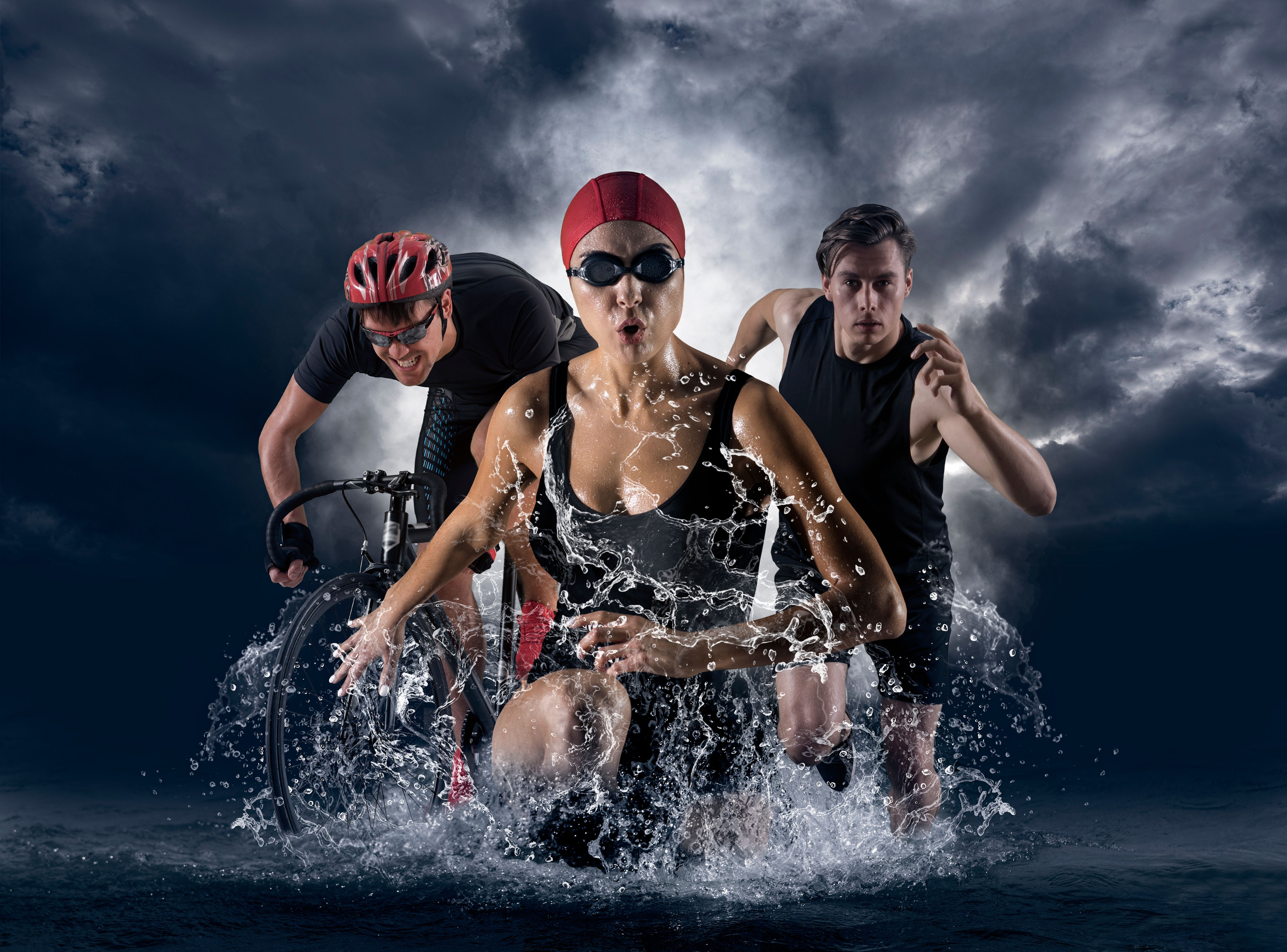
The climate can have a profound impact on triathletes' performance. High temperatures increase the risk of dehydration and heat exhaustion, making hydration strategies crucial. Athletes must also adapt their pacing to account for the heat.
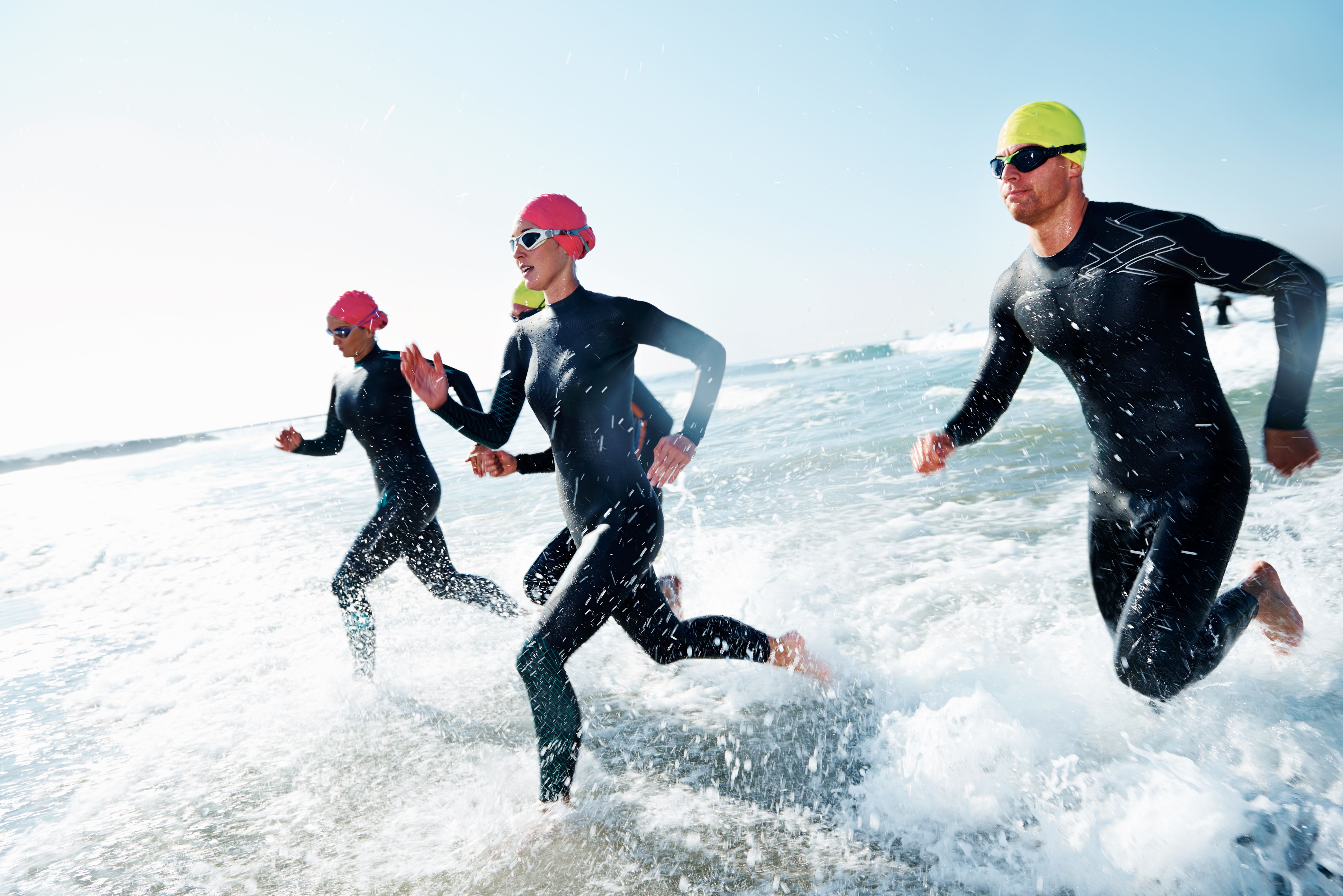
Conversely, cooler climates might seem advantageous, but they bring their own challenges. Cold water temperatures during the swimming leg can lead to hypothermia if not properly managed. Wetsuits become essential gear in these conditions.
Training and Preparation
To succeed in South African triathlons, athletes need to tailor their training to match the climate. This includes acclimatizing to the heat and humidity, especially for those coming from cooler regions. Incorporating heat training into their regimen can help improve performance.
Athletes are also advised to conduct research on the specific climate conditions of the event location. Understanding the weather patterns can help in planning nutrition and hydration strategies effectively.
Adapting Equipment
Weather conditions might also dictate changes in equipment. Lighter clothing and breathable fabrics are essential in hotter climates, while thermal gear might be necessary in cooler regions. Equipment choice can directly influence comfort and performance during the race.
- Select gear appropriate for the climate.
- Stay informed about weather forecasts.
- Test equipment under similar conditions prior to the event.
Conclusion
Participating in long-distance triathlons in South Africa requires a deep understanding of the local climate and its challenges. By preparing appropriately and adapting strategies to the conditions, athletes can enhance their performance and enjoy the unique experience that South African triathlons offer.