
The Role of Precision in Sports Project Management: Lessons from Triathlon

Understanding Precision in Sports Project Management
In the world of sports, precision is a non-negotiable aspect that can make or break an athlete's performance. This is especially true in triathlons, where athletes must excel in swimming, cycling, and running. The same level of precision is crucial in sports project management, where every detail counts toward achieving success.
Project managers in sports must ensure that every element of an event or training program is meticulously planned and executed. This involves coordinating various components, such as logistics, athlete schedules, and resource allocation, to ensure everything runs smoothly.
Planning and Coordination
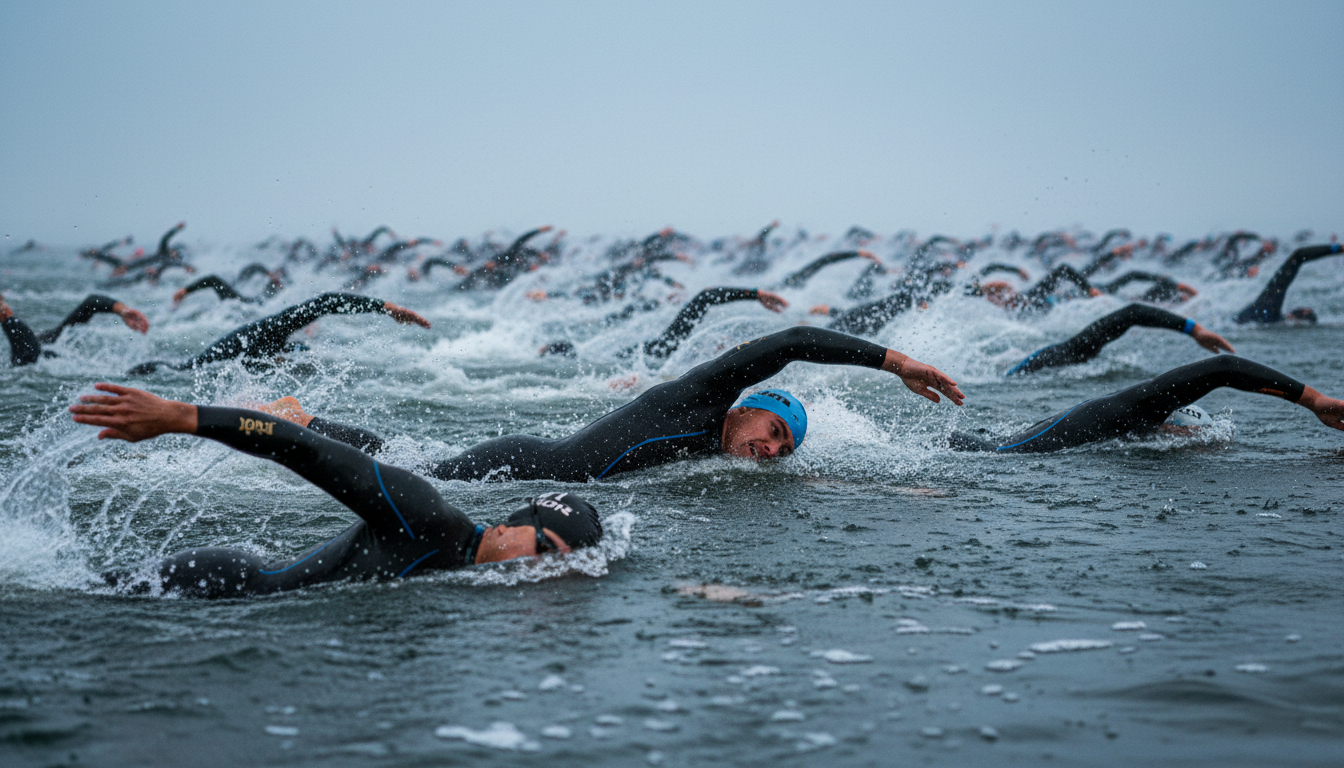
One of the key lessons from triathlon is the importance of detailed planning and coordination. Each segment of a triathlon requires specific training and preparation, and the transitions between activities must be seamless. Similarly, sports project managers must plan every phase of a project with precision, ensuring that timelines are met and resources are optimally utilized.
Effective coordination among team members is essential. Communication channels should be clear, and everyone involved must understand their roles and responsibilities. This reduces the likelihood of misunderstandings and ensures that the project progresses without unnecessary delays.
Resource Allocation
In triathlons, athletes must efficiently manage their energy and resources to perform well in each segment. This principle applies to sports project management, where resources such as time, budget, and manpower must be allocated wisely.
Project managers should prioritize tasks, allocate resources based on project needs, and constantly monitor usage to avoid wastage. This ensures that the project remains on track and within budget.

Risk Management
Triathlons are unpredictable, with factors like weather and physical strain affecting performance. Similarly, sports projects are subject to risks that can disrupt progress. Effective risk management involves identifying potential challenges and developing strategies to mitigate them.
Project managers should conduct risk assessments and create contingency plans. Being prepared for potential setbacks enables quick response and minimizes the impact on the project's timeline and objectives.
Performance Monitoring
Just as athletes monitor their performance to improve, sports project managers must track project progress to ensure objectives are met. Regular performance evaluations help identify areas needing improvement and allow for adjustments to be made promptly.
Tools such as KPIs (Key Performance Indicators) and project management software can aid in monitoring progress and ensuring that the project stays aligned with its goals.

Lessons Learned and Continuous Improvement
Triathlons teach athletes the importance of learning from each race to enhance future performances. Similarly, sports project managers should conduct post-project evaluations to gather insights and learn from their experiences.
By analyzing what went well and what could be improved, project managers can refine their strategies and processes for future projects. This commitment to continuous improvement is vital for long-term success in sports project management.