
The Role of Technology in Enhancing Long-Distance Triathlon Performance


Introduction
The world of triathlon is one of endurance, strategy, and resilience. For long-distance triathletes, the challenge is even greater, pushing the boundaries of human capability. In recent years, technology has played a transformative role in enhancing performance and training for these athletes.
Wearable Technology
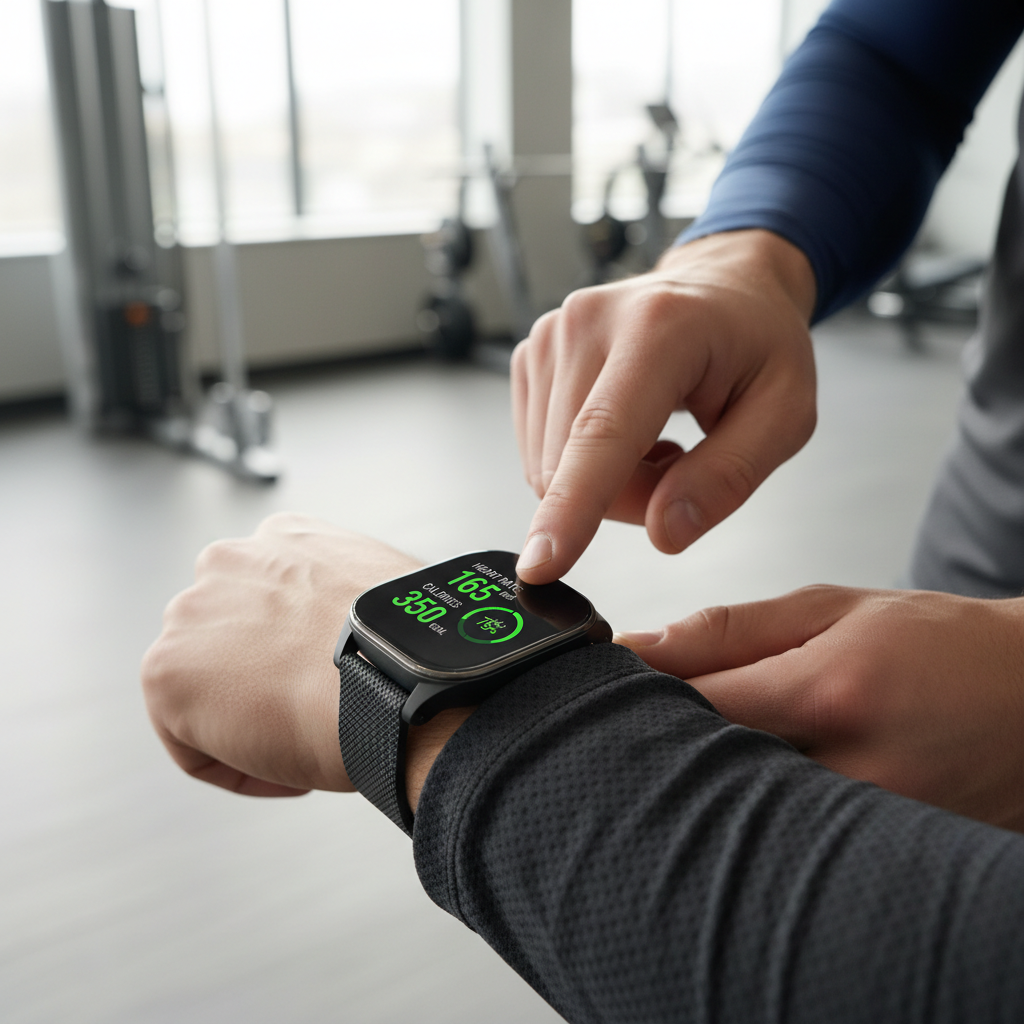
Wearable technology has revolutionized the way athletes train and compete. Devices such as smartwatches and fitness trackers provide real-time data on heart rate, pace, and even VO2 max levels. This data is invaluable for athletes looking to optimize their performance and tailor their training plans.
Moreover, these devices offer GPS tracking, allowing athletes to analyze their routes and improve their race strategies. Advanced models can even monitor sleep patterns, ensuring athletes are getting the rest they need to recover effectively.
Training Apps and Platforms
Another key technological advancement is the development of training apps and platforms. These tools provide personalized training plans, track progress, and offer insights based on performance data. Platforms like TrainingPeaks and Strava enable athletes to connect with coaches and fellow triathletes, fostering a community-driven approach to training.

Many of these platforms also incorporate AI algorithms to adapt training plans based on an athlete's performance, ensuring that workouts are tailored to current fitness levels and goals.
Virtual Reality and Simulation
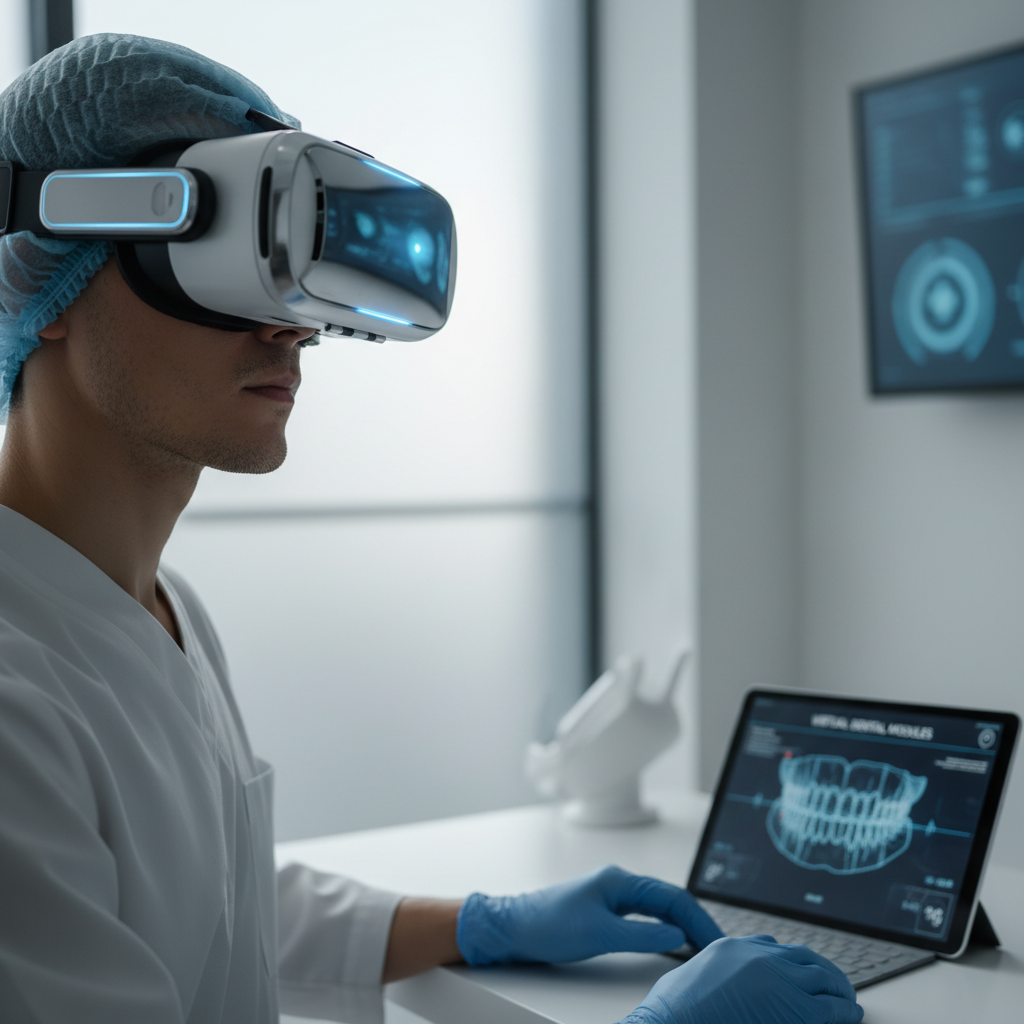
Virtual reality (VR) and simulation technologies have opened new avenues for training. Athletes can now simulate race conditions, allowing them to prepare mentally and physically for specific courses. This can be particularly beneficial for long-distance triathletes who need to be ready for diverse environments.
These simulations can mimic different weather conditions and terrains, providing an immersive experience that prepares athletes for the unexpected on race day.
Advanced Equipment
Innovation in equipment is another area where technology is making a significant impact. Aerodynamic bikes, lightweight wetsuits, and high-performance running shoes are designed using cutting-edge materials and engineering techniques to enhance speed and efficiency.
The integration of sensors in equipment also allows athletes to monitor metrics such as bike power output and running cadence, helping them to fine-tune their performance.
Nutrition and Recovery
Technology is also revolutionizing nutrition and recovery. Apps and devices that monitor hydration levels and caloric intake enable athletes to optimize their diet for performance and recovery. Smart recovery tools, such as compression wear and massage devices, use technology to aid muscle recovery and reduce injury risk.

These advancements ensure that athletes can maintain peak performance over long distances, minimizing the risk of burnout and injury.
Conclusion
In conclusion, technology is playing a crucial role in enhancing long-distance triathlon performance. From wearable tech to advanced equipment and recovery tools, athletes now have access to resources that were once unimaginable. As technology continues to evolve, it will undoubtedly open new possibilities for athletes to push their limits and achieve their goals.