
Top Sports Project Management Tips from a World-Class Triathlete

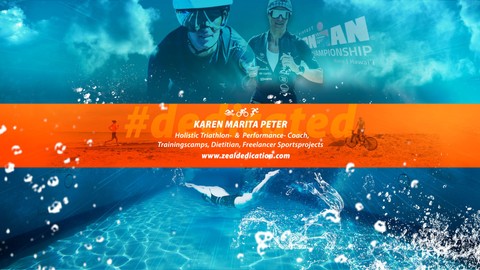
When it comes to project management in sports, there’s much to learn from the world of triathlons. A triathlete must balance three demanding disciplines—swimming, cycling, and running—while managing time, energy, and resources. This unique combination of skills translates effectively into project management strategies.
Setting Clear Goals
One of the first lessons from a world-class triathlete is the importance of setting clear and achievable goals. In triathlons, each race has specific targets, whether it’s a personal best or qualifying for a major event. Similarly, in project management, clearly defined objectives guide the team’s efforts and provide a benchmark for success.
Break down large goals into smaller, manageable tasks. This approach not only makes the process less daunting but also helps in tracking progress effectively.

Time Management
Time is a critical factor in both triathlons and project management. Triathletes meticulously plan their training schedules to optimize performance. Similarly, project managers should craft a detailed timeline, allocating time wisely between tasks to ensure deadlines are met.
Utilize tools like Gantt charts or project management software to visualize timelines and adjust as needed. This keeps the team aligned and focused on priorities.
Prioritization
Just as a triathlete prioritizes their weakest discipline to improve overall performance, project managers should identify and focus on critical tasks that drive the project forward. Use methods like the Eisenhower Box to distinguish between urgent and important tasks.

Resource Allocation
Efficiently managing resources is another key takeaway from triathlons. Athletes must manage their energy and equipment to avoid burnout or failure. In a project, this translates to allocating budget, personnel, and materials wisely to maximize efficiency.
Regular check-ins and resource audits can help ensure that the project stays within budget and on track.

Adaptability
Unforeseen challenges are inevitable, whether it’s a flat tire during a race or a sudden change in project scope. Triathletes train to adapt to changing conditions, and project managers should be equally flexible. Encourage a culture of adaptability within your team to handle changes swiftly and effectively.
Continuous Improvement
After each race, triathletes analyze their performance to identify areas for improvement. Similarly, after a project concludes, conduct a thorough review to gather insights and learnings. This practice fosters a culture of continuous improvement and prepares the team for future challenges.

By embracing these strategies, project managers can navigate complex projects with the precision and resilience of a world-class triathlete. The key is to remain focused, adaptable, and committed to continuous growth.