
Top Tips for Long-Distance Triathletes: Balancing Training and Event Management

Understanding the Challenges of Long-Distance Triathlons
Long-distance triathlons are not just about physical endurance; they also demand mental fortitude and strategic planning. Balancing the intense training regimen with event management can be daunting. However, with the right approach, it's possible to excel in both areas.
Create a Comprehensive Training Plan
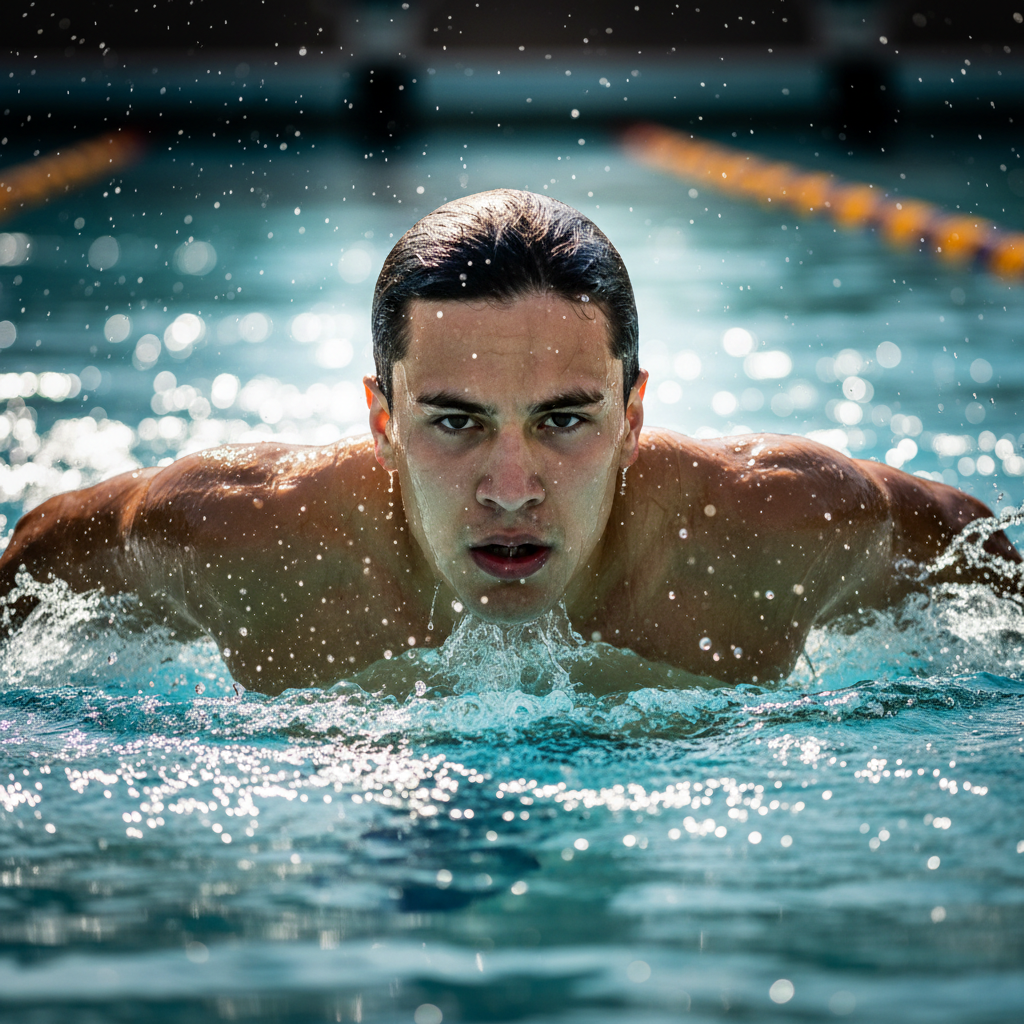
A well-structured training plan is crucial for success. It should include a mix of swimming, cycling, and running, with a focus on gradually increasing distance and intensity. Don't forget to incorporate rest days to allow your body to recover and prevent injuries.
Consistency is key. Develop a weekly schedule that fits your lifestyle, ensuring you allocate time for each discipline. Tracking progress can help you stay motivated and make necessary adjustments to your plan.
Prioritize Nutrition and Hydration
Nutrition plays a vital role in a triathlete's performance. Focus on a balanced diet rich in carbohydrates, proteins, and healthy fats. Staying hydrated is equally important, especially during long training sessions. Experiment with different nutrition strategies during training to find what works best for you.

Mastering Event Management
Managing the logistics of participating in a long-distance triathlon can be as challenging as the event itself. From travel arrangements to equipment preparation, attention to detail is crucial.
Plan Your Travel and Accommodation
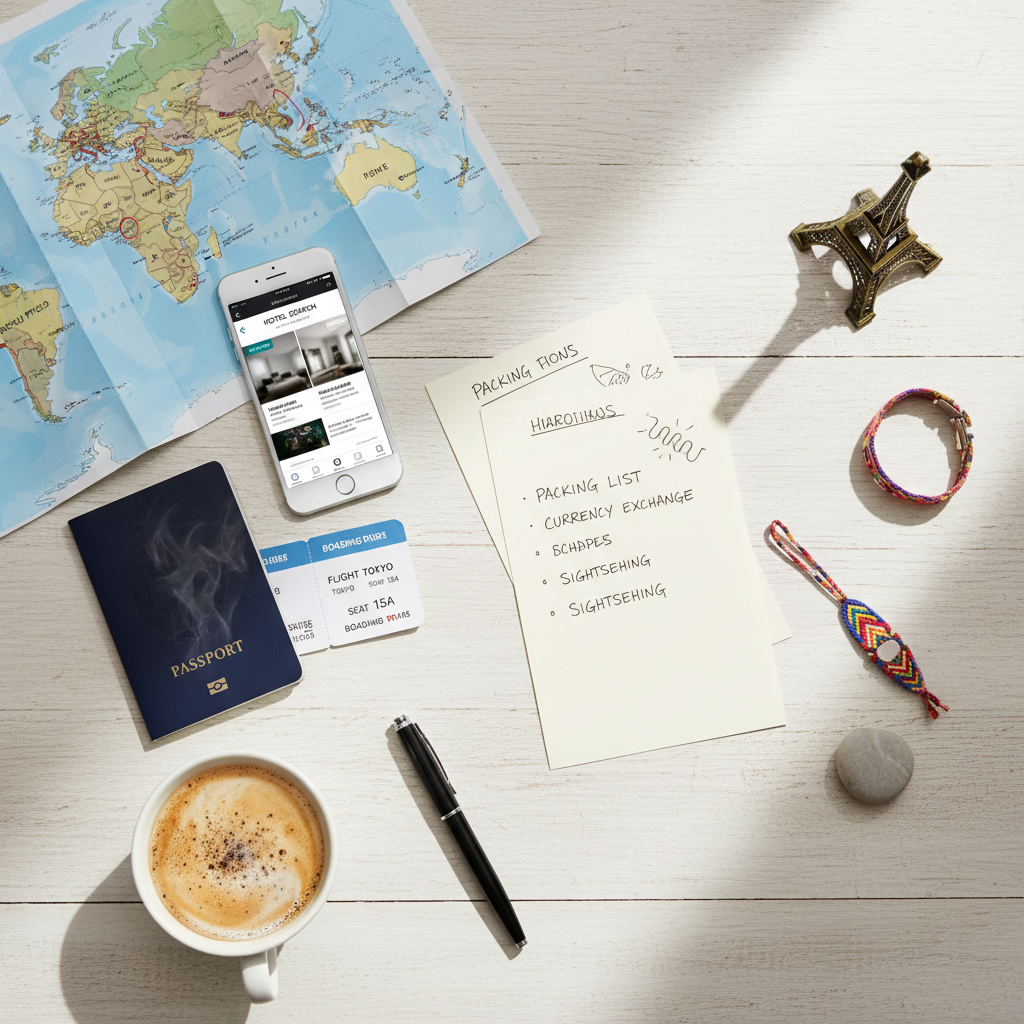
Early planning can save you from last-minute stress. Book your travel and accommodation well in advance, considering proximity to the event location. Arrive a day or two early to acclimate and familiarize yourself with the course.
Organize Your Gear
Having the right gear is essential. Make a checklist of all necessary items, including your wetsuit, bike, running shoes, and nutrition supplies. Check your equipment for any issues well before race day to avoid unexpected problems.
Mental Preparation and Stress Management
Staying mentally strong is as important as physical preparation. Incorporate mental training techniques such as visualization and mindfulness to enhance focus and reduce anxiety. Balancing training demands with personal life can be stressful, so practice effective time management and seek support from fellow athletes or coaches.

Stay Flexible and Adapt
No plan is perfect. Be prepared to adapt your training and event strategies as needed. Weather conditions, unexpected obstacles, or personal circumstances may require adjustments. Flexibility will help you stay on track toward your goals.
In conclusion, balancing training and event management for long-distance triathlons requires careful planning, dedication, and adaptability. By following these tips, you can enhance your performance and enjoy the journey to the finish line.