
Triathlete's Guide to Maintaining Peak Performance During Off-Season


As the triathlon season winds down, many athletes find themselves wondering how to maintain their fitness and performance. The off-season is a crucial time for triathletes to rest, recover, and prepare for the challenges of the upcoming year. Here’s how you can make the most of this period to ensure you're ready to hit the ground running when the season starts again.
Embrace Active Recovery
After a grueling season, your body needs time to heal. Active recovery is key, allowing you to rest while still maintaining a certain level of activity. Engage in low-intensity exercises like swimming, yoga, or cycling at a leisurely pace. These activities will keep your body moving without the strain of intense training.

Benefits of Active Recovery
Active recovery helps to improve flexibility, reduce muscle soreness, and enhance overall circulation. It also keeps you mentally engaged, so you're not completely stepping away from physical activity. This balance is essential for a well-rounded recovery.
Focus on Strength and Conditioning
The off-season is an excellent opportunity to concentrate on strength training. Building muscle can help improve your performance in all three triathlon disciplines. Incorporate exercises like squats, deadlifts, and core workouts into your routine. Aim for two to three strength sessions per week.

Key Strength Training Tips
When focusing on strength, prioritize proper form to prevent injuries. Gradually increase weights and intensity to build strength effectively. Remember, consistency is more important than intensity in the off-season.
Refine Your Nutrition Plan
Good nutrition is a cornerstone of athletic performance. Use the off-season to reassess your dietary habits. Focus on a balanced diet rich in whole foods, lean proteins, and healthy fats. This is also a great time to experiment with different meal plans to see what works best for your body.
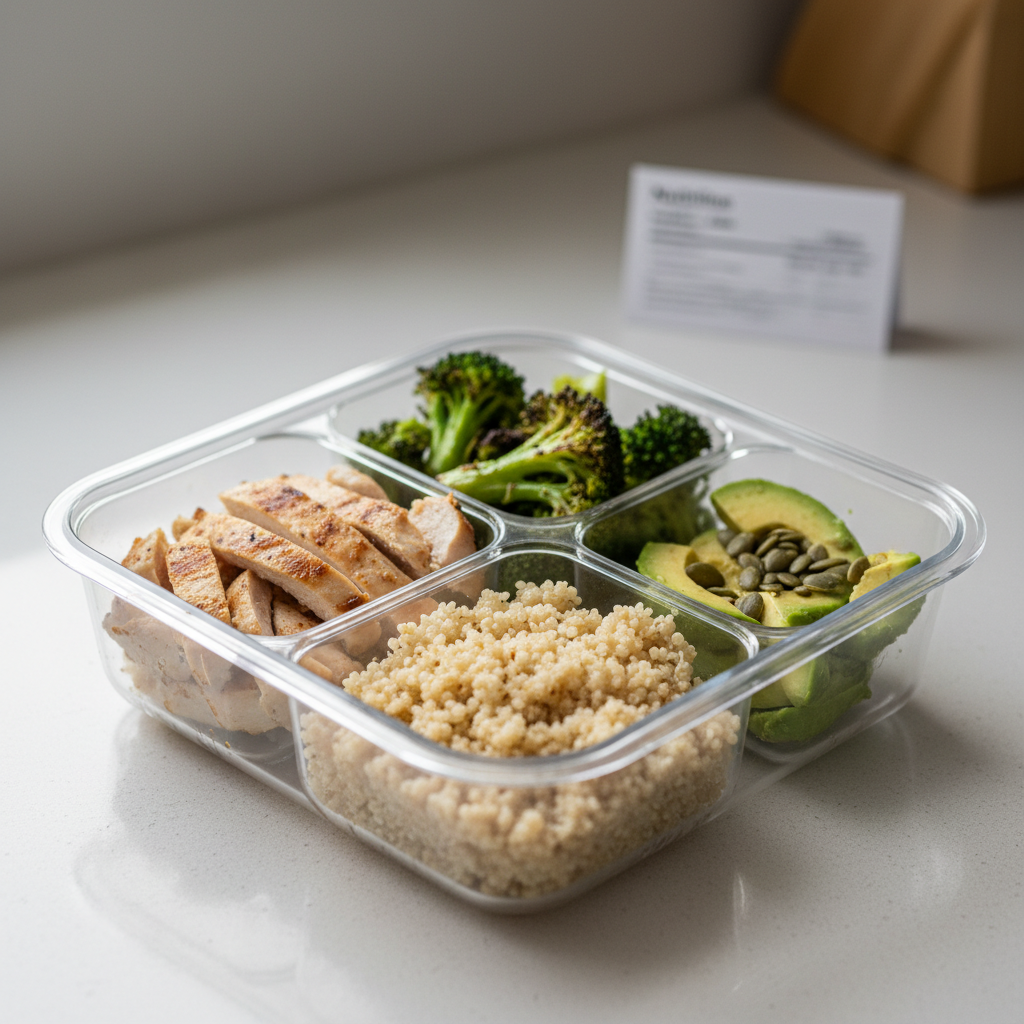
Nutrition Goals for Off-Season
Set specific nutrition goals to maintain energy levels and support muscle recovery. Consider consulting with a nutritionist for personalized advice. Staying hydrated and ensuring adequate intake of vitamins and minerals are also critical aspects of your off-season nutrition.
Set New Goals and Plan Ahead
The off-season is perfect for setting new goals for the upcoming year. Reflect on the past season and identify areas for improvement. Whether it's improving your swim technique or increasing your running endurance, having clear goals will guide your training efforts.
Creating a Training Plan
Work with a coach to develop a training plan tailored to your goals. A structured plan will keep you motivated and ensure that your off-season efforts translate into in-season success. Remember to incorporate ample rest and recovery days into your schedule.
By focusing on recovery, strength, nutrition, and goal-setting during the off-season, you'll set yourself up for a successful and rewarding triathlon season ahead. Take this time to recharge both physically and mentally, and you'll come back stronger and more prepared than ever.